17.06.2026
Bukhara is a living legend of the East.
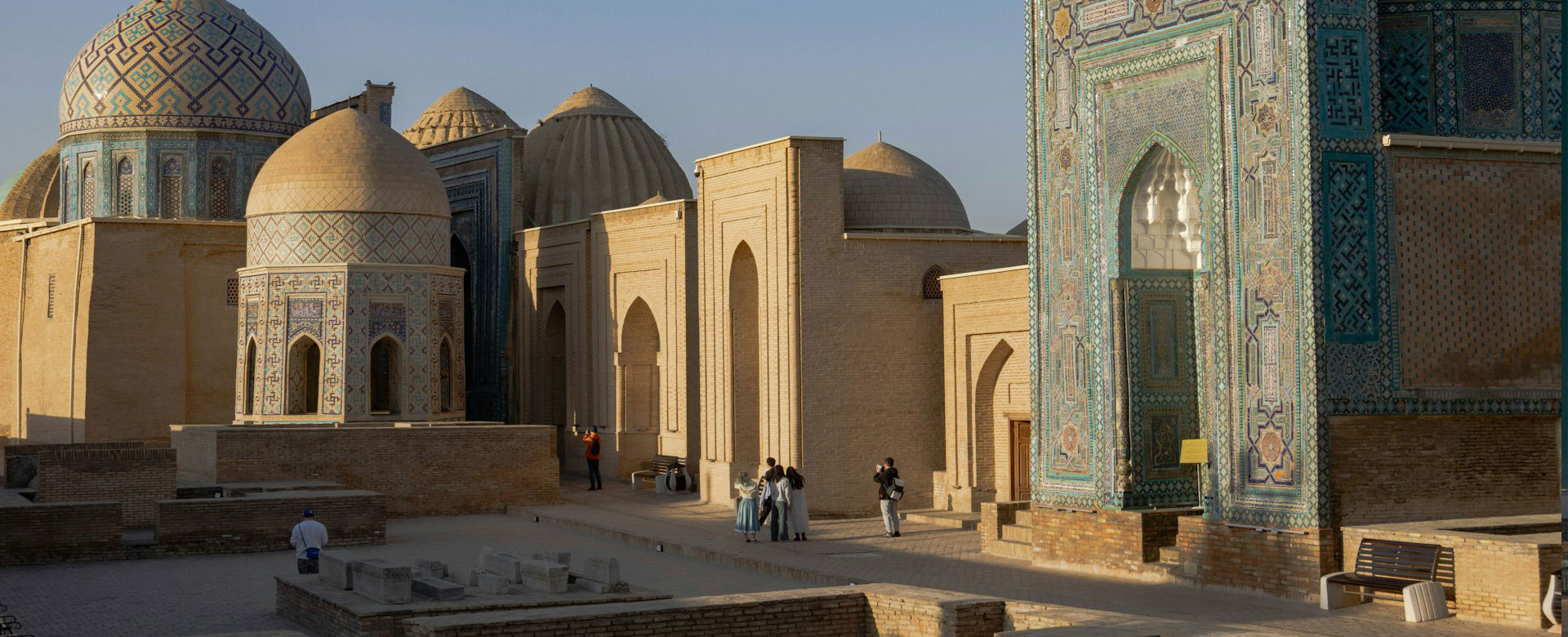
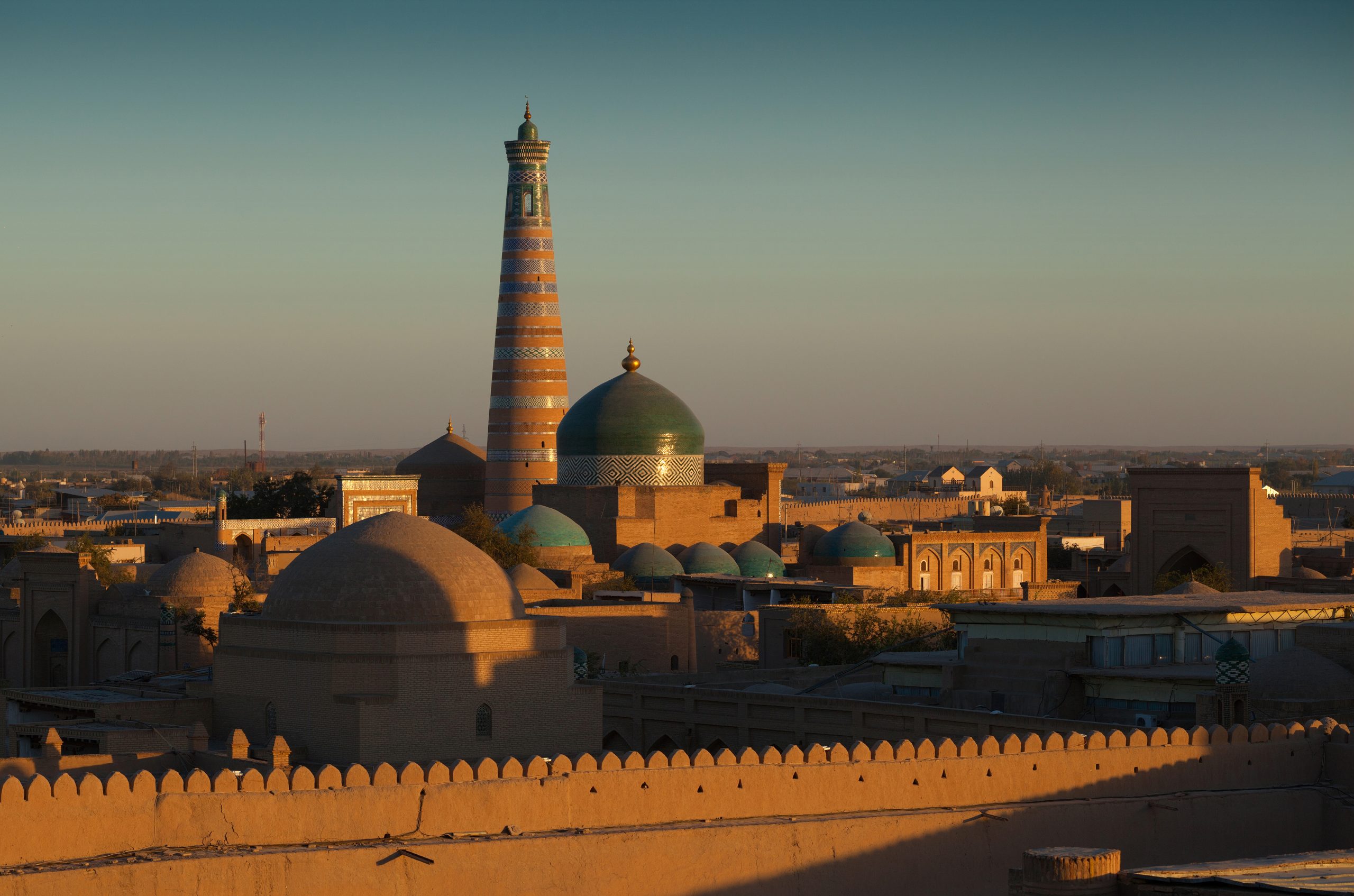
Bukhara is one of the oldest and most mysterious cities in Uzbekistan. For centuries, this city has been a major center of science, trade, craftsmanship, and Islamic culture. Its narrow streets, ancient madrasahs, minarets, and caravanserais create a unique atmosphere that seems to transport travelers back to the era of the Great Silk Road.
Bukhara is often called an “open-air museum,” as the city has preserved a vast number of historical monuments, many of which are over a thousand years old.

History of ancient Bukhara
The history of Bukhara spans more than 2,500 years. The city was an important stop on the Great Silk Road, connecting East and West. Traders, travelers, scholars, and artisans from many countries passed through Bukhara.
In the Middle Ages, Bukhara became one of the largest cultural and religious centers of the Islamic world. Great philosophers, poets, and scholars lived and worked there, and the city was renowned for its libraries and madrasahs.
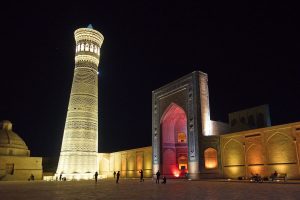
The Kalyan Minaret is a symbol of Bukhara.
The main symbol of the city is the Kalyan Minaret — a majestic minaret almost 47 meters high, built in the 12th century.
According to legend, even Genghis Khan was so impressed by its beauty that he ordered it not to be destroyed during the conquest of the city.
The minaret is part of the Poi Kalyan architectural complex, which also includes:
- • Kalyan Mosque
- • Miri-Arab Madrasah
- • Historic Square
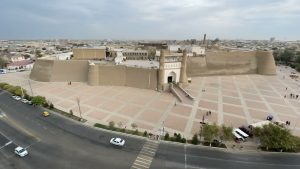
Ark Fortress — the heart of ancient Bukhara
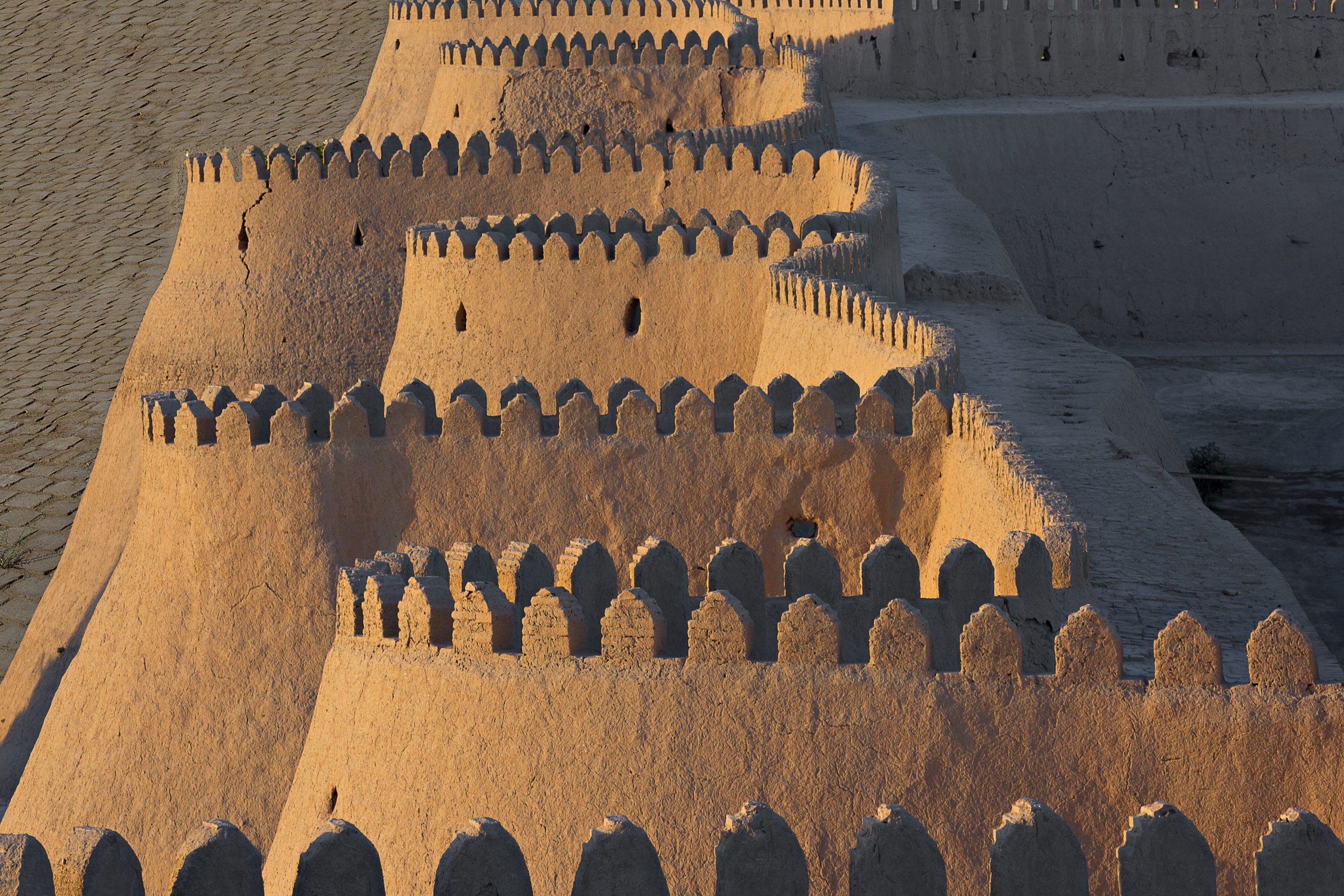
Ark Fortress is an ancient citadel that served as the residence of the emirs of Bukhara for many centuries.
Behind its massive walls were:
- • Palaces
- • Reception halls
- • Treasury
- • Libraries
- • Mosques
Today, the Ark is one of the most visited historical sites in Bukhara and allows visitors to experience the life of past rulers.

Lyabi-Hauz is the cozy heart of the city.
One of the most atmospheric places in Bukhara is Lyabi-Hauz — an ancient square with an artificial pond, surrounded by madrasahs, teahouses, and trees.
It is a favorite walking spot for both tourists and locals. In the evening, it becomes especially beautiful: the lights turn on, traditional music plays, and the air fills with the aromas of Eastern cuisine.
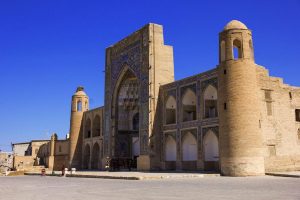
Bukhara is a center of Islamic culture.
For centuries, Bukhara was considered one of the most important religious centers of the Muslim world. The city has preserved dozens of ancient madrasahs, mausoleums, and mosques.
A special place is held by the Samanid Mausoleum — a unique monument from the 9th–10th centuries, regarded as a masterpiece of world architecture.
Interesting facts about Bukhara
- • The historic center of Bukhara is included in the UNESCO World Heritage List.
- • The city has preserved more than 140 architectural monuments.
- • Bukhara was one of the largest centers of Islamic education.
- • Many films about the East were shot here.
- • The atmosphere of the old city has remained almost unchanged for centuries.
Why do tourists choose Bukhara?
Bukhara attracts travelers with its unique atmosphere of the ancient East. Here, you can leisurely walk through old streets, admire architecture, visit craft workshops, and feel the spirit of centuries of history.
It is a city for those who want not just to see landmarks, but to fully immerse themselves in the culture and traditions of the East.
«Bukhara is a city that cannot be described with words alone. It must be seen, felt, and experienced. Every street here carries its own history.»
AlfaNexus Editorial Team

What to visit in Bukhara
Be sure to include in your itinerary:
- • Kalyan Minaret
- • Ark Fortress
- • Lyabi-Hauz
- • Samanid Mausoleum
- • Chor-Minor Madrasah
- • Bukhara trading domes
Bukhara is a true city-legend, where the past comes alive at every step. Here you can feel the atmosphere of the ancient East, see unique architectural monuments, and discover the rich culture of Uzbekistan. A journey to Bukhara leaves impressions that stay in memory for a lifetime.
Leave a Comment